
Education Guide
Why Does Leather Crack?
Understand the science behind leather deterioration and learn how to prevent cracks before they start.
The Science of Leather Cracking
Leather is animal hide that's been tanned and treated to remain supple and durable. It's a natural material made of collagen fibers woven together. When healthy, these fibers are flexible and move together smoothly.
Cracking occurs when leather loses its natural oils and moisture. The collagen fibers dry out, become brittle, and can no longer flex without breaking. This leads to surface cracks that deepen over time, eventually splitting the leather entirely.
Think of it like a rubber band left in the sun—it loses elasticity and snaps when stretched. Leather behaves similarly when neglected.
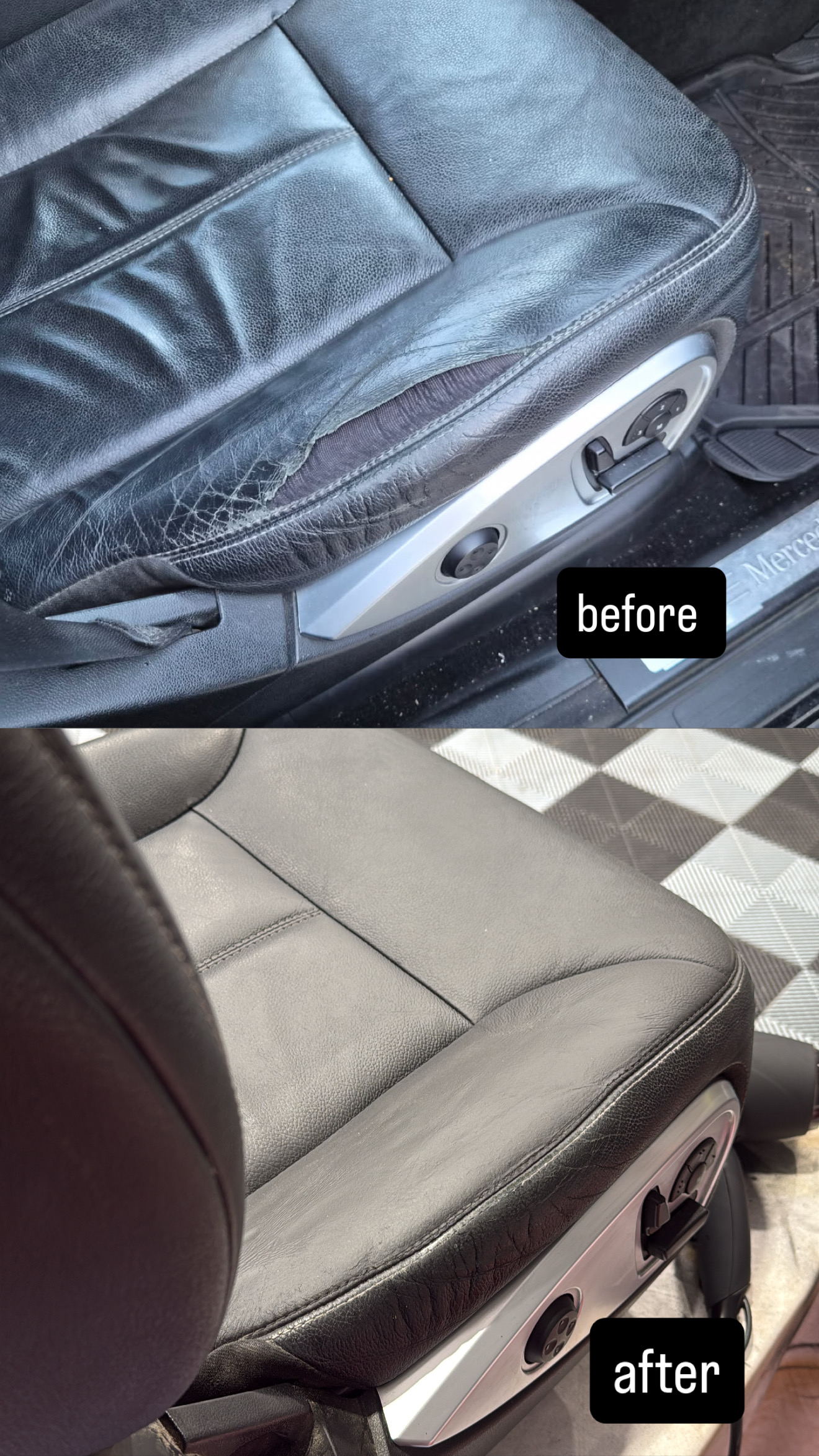
Severe cracking from prolonged UV exposure and lack of conditioning
Top Causes of Leather Cracking
UV Radiation & Sunlight
The #1 cause. UV rays break down leather's protective finish and dry out natural oils. Furniture near windows and car interiors are especially vulnerable. Even indirect sunlight causes cumulative damage over months and years.
Lack of Moisture & Oils
Leather needs regular conditioning to replenish oils. Without it, the hide dries out and loses flexibility. Central heating and air conditioning accelerate moisture loss, especially in Canberra's dry climate.
Low Humidity Environments
Dry indoor air pulls moisture from leather. Homes with constant heating or cooling create desert-like conditions for your furniture. Humidity below 40% is a danger zone for leather goods.
Heavy Use & Friction
Repeated sitting, rubbing, and body contact wear down protective coatings. High-traffic areas like couch armrests and car seat bolsters crack first. Body oils and sweat also degrade leather over time.
Poor Quality or Aged Leather
Bonded leather (glued leather scraps) cracks faster than full-grain. Older leather naturally becomes brittle as oils evaporate. Budget furniture often uses thin, corrected-grain leather prone to early failure.
Incorrect Cleaning Products
Harsh soaps, alcohol-based cleaners, and household chemicals strip protective finishes and dry out leather. Even water can cause damage if not properly conditioned afterward. Always use pH-balanced leather cleaners.
Cracking Progression: Real Example
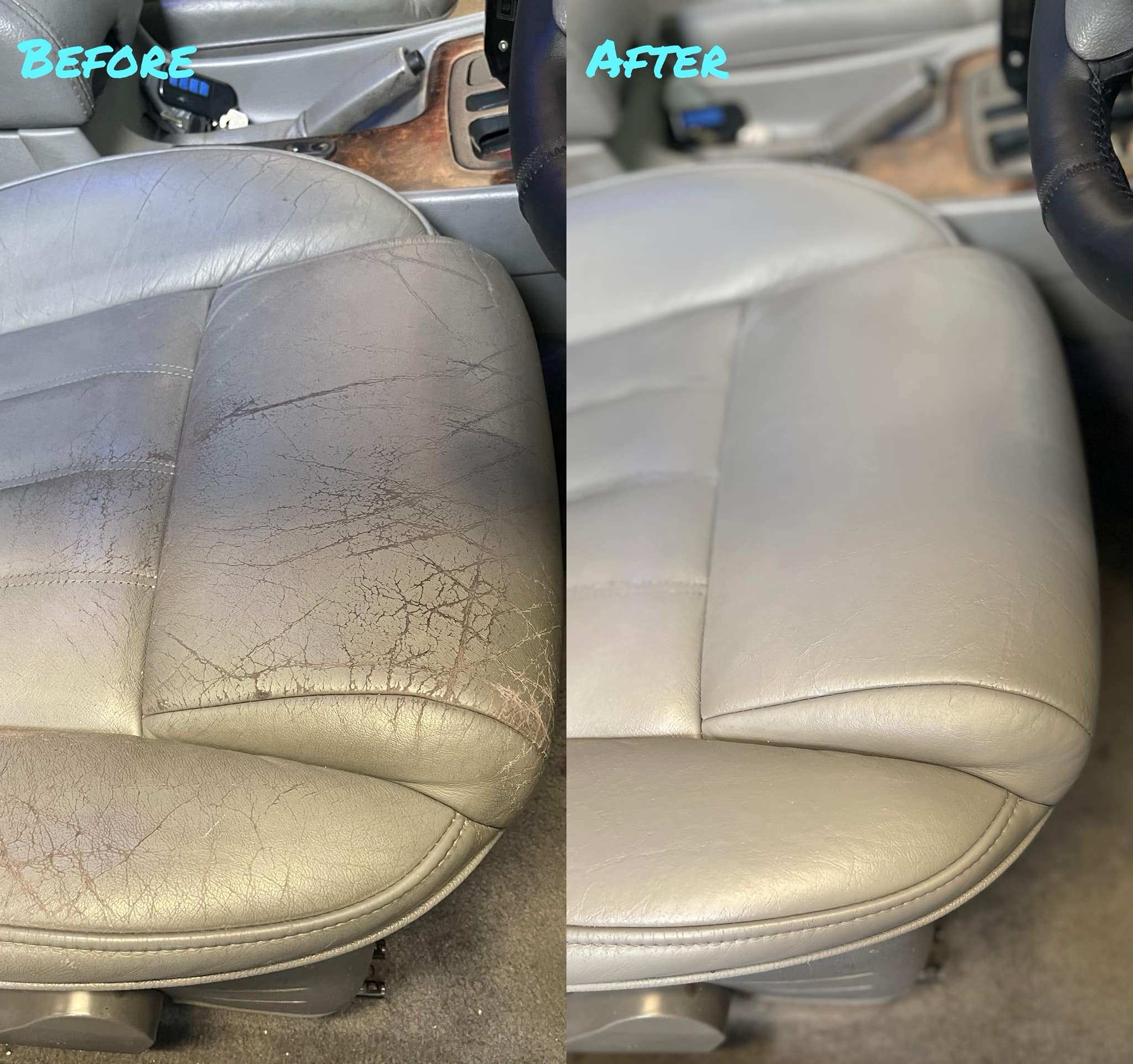
This car seat spent years in Canberra sun without conditioning. The leather dried out, developed surface cracks, then progressed to deep structural fractures. The substrate (foam underneath) became visible through the breaks. Early intervention with conditioning and UV protection could have prevented this entirely.
How to Prevent Leather from Cracking
Condition regularly (every 3–6 months)
Use a quality leather conditioner with natural oils. Apply in thin layers, let it absorb for 15 minutes, then buff excess. This replenishes moisture and keeps fibers flexible.
Keep leather away from direct sunlight
Position furniture away from windows or use UV-blocking curtains. For cars, park in shade or use windshield sun shades. UV film on home windows protects all furniture.
Clean with pH-balanced leather cleaner
Wipe down monthly with a damp microfiber cloth and proper leather soap. Remove body oils, dirt, and grime that break down protective coatings. Always follow with conditioner.
Maintain indoor humidity at 40–50%
Use a humidifier in winter when heating dries the air. Monitor with a hygrometer. Stable humidity prevents leather from drying out or absorbing too much moisture.
Apply a protective sealant annually
Professional-grade protectors create a barrier against UV, spills, and wear. Reapply yearly for furniture, every 6 months for car interiors. We use Geist products for maximum durability.
Address damage early
Small scratches and early cracks are quick and cheap to fix. Once cracks deepen and edges curl, repair becomes more complex and costly. Inspect leather every few months.
Free photo quote
Send a photo.
Get a real price today.
Quotes from photos are accurate, fast and obligation-free. Mon–Fri, 8:30 – 5:30. We reply within 2 business hours — your message goes directly to the technician.
5.0·17 five star Google reviews100% satisfaction guarantee
If you're not satisfied with the result, we return and fix it — no charge, no argument. 15+ years of combined leather experience backs every job we take on.
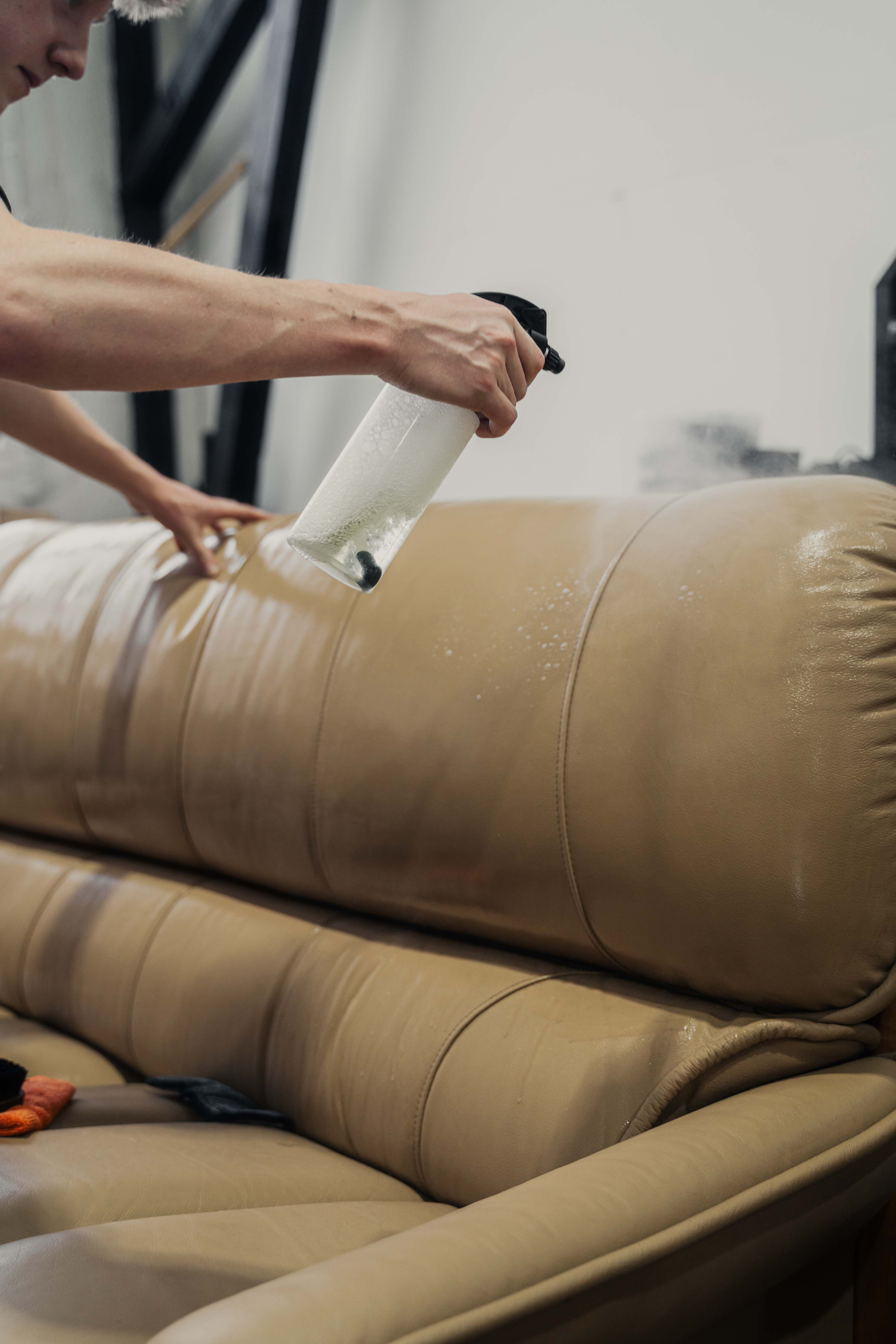
What happens next
After you send your photo —
here's exactly what to expect.
- Step 01
Within 2 business hours
You'll receive a detailed reply from your technician — not a call centre — with an honest assessment and written quote.
- Step 02
You confirm the booking
If the quote works for you, we lock in a time that suits. Mobile visit to your home or workplace.
- Step 03
Job done, same visit
Most repairs are completed in a single 3–5 hour visit. No second trips, no parts on order.